
About ‘Grassing or Grooming?’
What skills are we trying to teach?
“On average social skills training programmes have reduced the number of children involved in crime by 32%,” so says the Youth Endowment Fund.
This raises the question: if we are to help children resist grooming from criminal gangs, what skills do we need to teach them? At a conference to support new ways of tackling CCE, Merseyside Police described the problem and identified a way forward.
The problem
Some children see drug dealers as glamorous figures, they drive fancy cars, wear gold watches and parade around our communities flaunting their wealth. This perception makes some children more susceptible to grooming by the gangs that control the supply of drugs in our communities.
The solution
If we can change the way that children perceive drug dealers, we can increase the protective factors that protect children from harm. The perception that we want to promote is that drug dealers are engaged in the exploitation of children, they groom children and they abuse them. This language was developed to describe CSE; if we can apply it to CCE, then we can challenge the culture of criminality that exists in many Merseyside communities.
This idea is at the heart of a KS2 teaching resource called ‘Grassing or grooming?’. This resource sets out to teach children a new vocabulary. They are taught words like “grooming”, “exploitation” and “abuse”. They are then asked to use these words to describe the criminal gangs that operate in our communities.
This approach enables primary schools to deliver key outcomes that are required by government guidance on Relationships Education. The guidance states that pupils should learn, “how to report concerns or abuse and the vocabulary and confidence needed to do so.”
This approach is focused on teaching pupils the vocabulary they need to report the activities of criminal gangs that might be targeting them or their peers.
How do we teach complex communication skills?
‘Grassing or Grooming?’ contains a short film that tells the story of a child who is groomed by a drug dealer. You can watch a clip from that film below:
The teaching resource then contains a series of learning activities designed to teach children a vocabulary that they can use to talk about characters from the film.
For example, in this activity the class would discuss a word and decide which character(s) it applies to. You can click the word and character to link them.
- Bystander
- Victim
- Perpetrator
- Passive
- Proactive
- Helpful
- Loyal
- Unhelpful
- Coercive
- Manipulative
- Antisocial
- Prosocial
- Supportive
- Exploitative
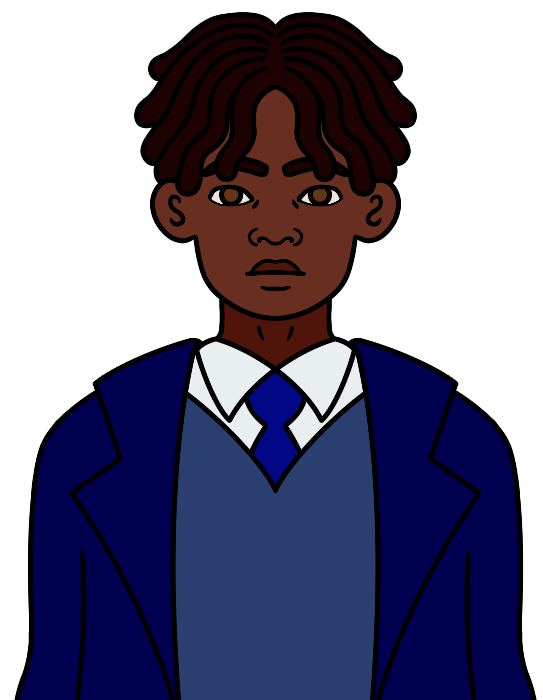

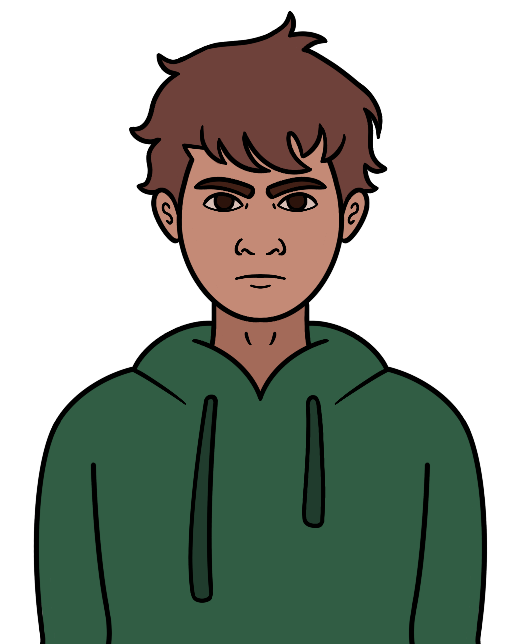
After learning the vocabulary, children are asked to step into the role of the bystander and practice using that vocabulary to support their friend, who is a victim of grooming.
The Classroom Resources include videos that you can play to your class to introduce the activity. For example, the activity is in Lesson 3; you can see the video below.
Children are then encouraged to work together in large and small groups, using drama to improvise and refine strategies that they can use to intervene if they find themselves in the role of the bystander.
Does this approach deliver positive outcomes?
Independent evaluation conducted by Liverpool John Moores University proves that this approach delivers outcomes for young people. These include the following:
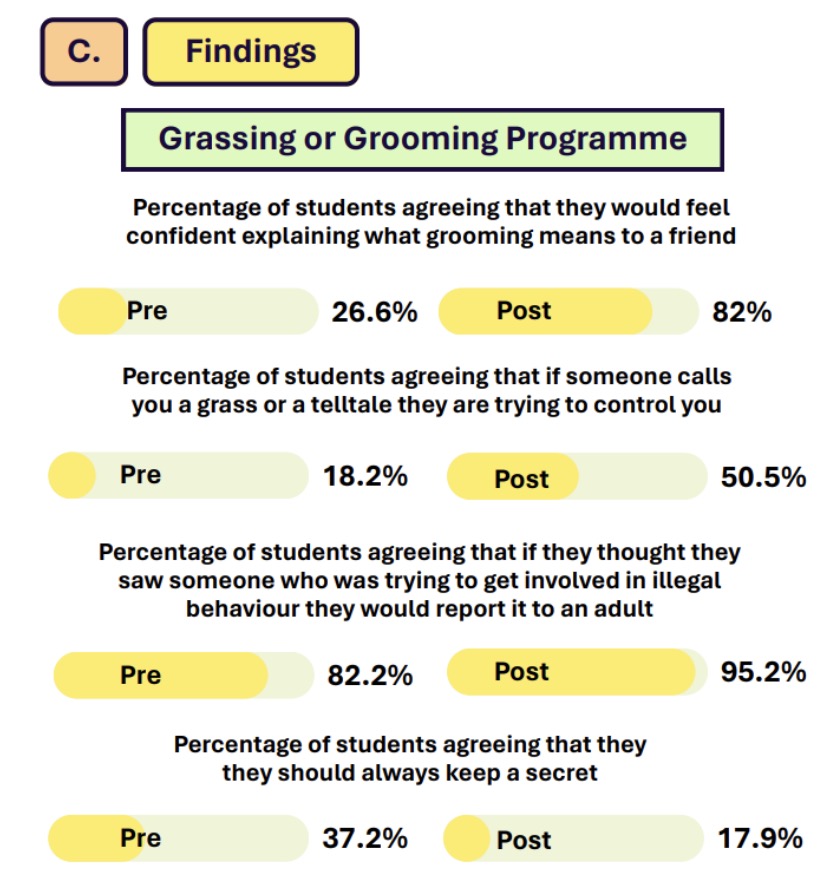
This data was taken from the Evaluation of the Ariel Trust Violence Reduction Education Programmes in Primary Schools across Merseyside Summary report of delivery and impact between 2022-2025. This was written by Nadia Butler, Charley Wilson, Ann Marie Farrugia, Zara Quigg of the Public Health Institute, Liverpool John Moores University, Tithebarn Street, Liverpool, L2 2QP.
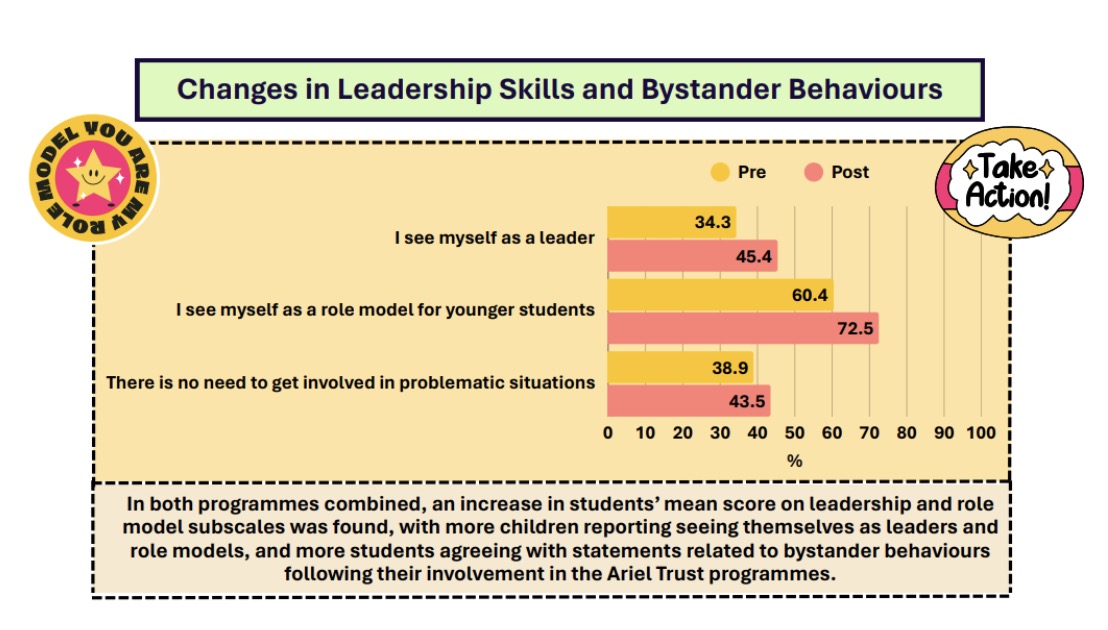
The LJMU report also found important changes associated with bystander intervention:
Become a partner school and help deliver improved outcomes for young people
Independent evaluation has shown that the ‘Grassing or grooming?’ programme can develop skills that children can use to resist pressure from criminal gangs. However, evaluators have also suggested that these outcomes can be improved if we begin development of targeted communication skills at a younger age.
Ariel Trust is actively seeking to engage schools that are willing to be part of a pilot programme that adapts ‘Grassing or Grooming’, making it age appropriate for KS1. The new programme is called ‘Telling Tales or Asking for Help?’
If you are willing to be part of the pilot, Ariel Trust wants to hear from you and we will provide free access to all of our resources in exchange for the chance to learn from your experience. Contact admin@arieltrust.com to become a partner school.
