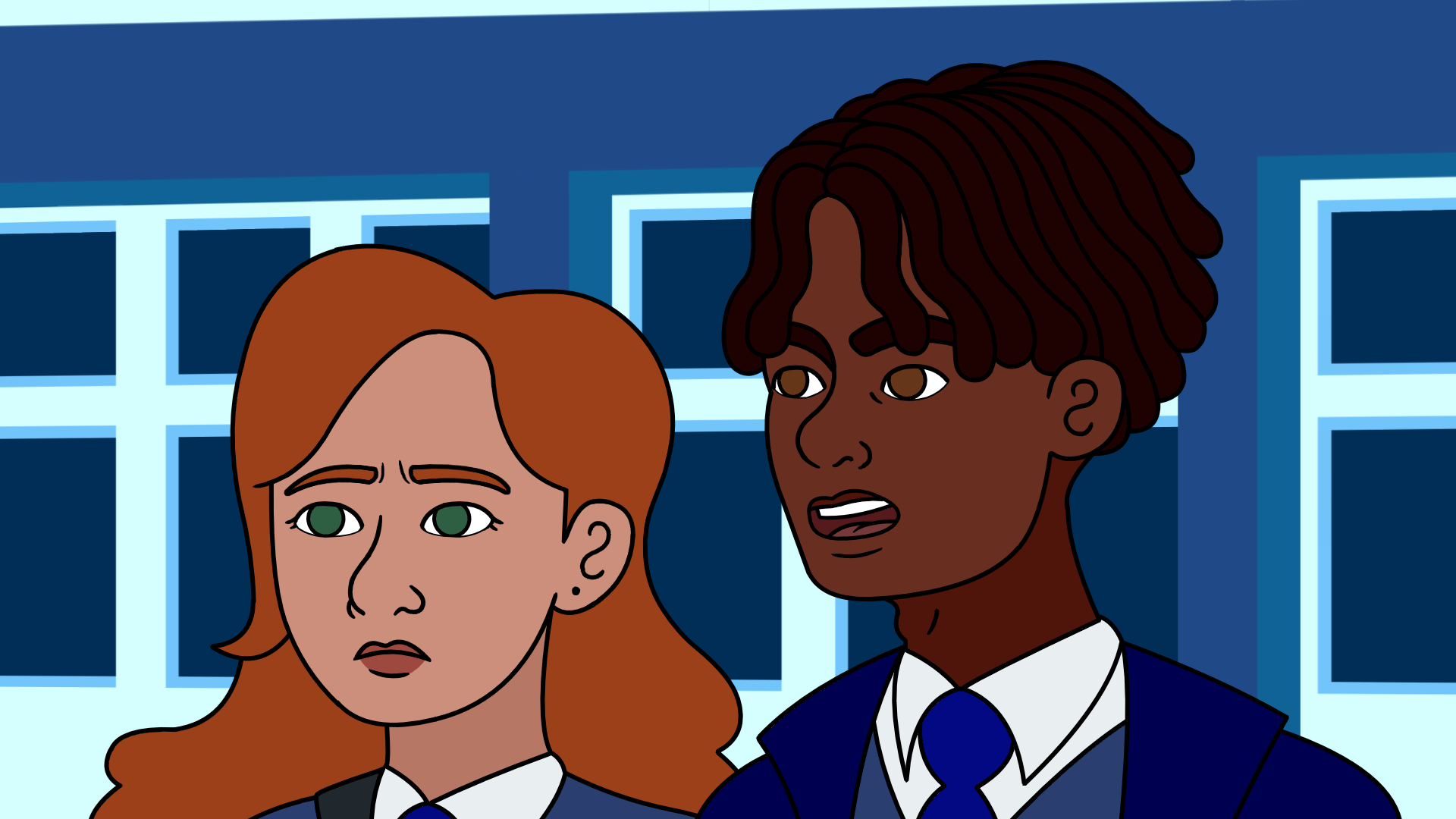
Sometimes, a moment in a classroom reminds us exactly why the work we do at Ariel Trust is so important.
The following is an observation recorded by one of our Theatre Practitioners, capturing an example of the impact that our work has, particularly in developing empathy, critical thinking and encouraging children to be active citizens.
We have been looking at bystander intervention, role playing situations, thought tracking, discussing feelings. A group of primary school boys were given the situation that someone had been posting mean things on a WhatsApp group about a girl in their class and posting her school photo with unpleasant comments. The boys were told this is a girl that they don't really know - she isn't a friend or a family member. One of the boys wrote a monologue as a bystander which I attach here:
“What should I do? Should I tell a teacher? Should I leave it? What should I do?
If I tell a teacher they might bully me too. But if I leave it someone might get hurt. If I join in, I’ll be the one that gets into trouble too and I will be like them which I am not. If I leave it, I might get into trouble because I didn’t interfere. I feel a bit vulnerable because I don’t know what will happen next.
It's a bit horrifying to hear people going all around about this girl who hasn't done anything wrong. The girl must feel so stressed because of what’s happening to her. She mustn’t be wanting to come to school anymore. It sounds so bad and looks it too that how bad it is that the girl is being bullied. It’s not acceptable.
I might tell of them because if this goes on then it is going to get worse and worse. But the bullies might be mean and rude to me too and no one will do anything about it because no one done anything to help the girl.
But you know what, I have to do something. I’m going to tell of them and make it stop”.
He understood that speaking up could put him at risk of becoming a target himself. He recognised how difficult that decision might be.
And yet, he still reached the conclusion that he had to do something.
This is why the work of Ariel Trust matters.
We don't just teach children to recognise bullying or harmful behaviour. We create opportunities for them to explore complex situations, consider different perspectives, develop empathy and build the confidence to make positive choices.
This is a ten year old using his own words completely. A TEN YEAR OLD would intervene to help someone. What we do is so important in helping develop empathy and explore feelings. Sometimes, the most powerful evidence of the impact of our work comes not from statistics or reports, but from the words of a 10-year-old boy.